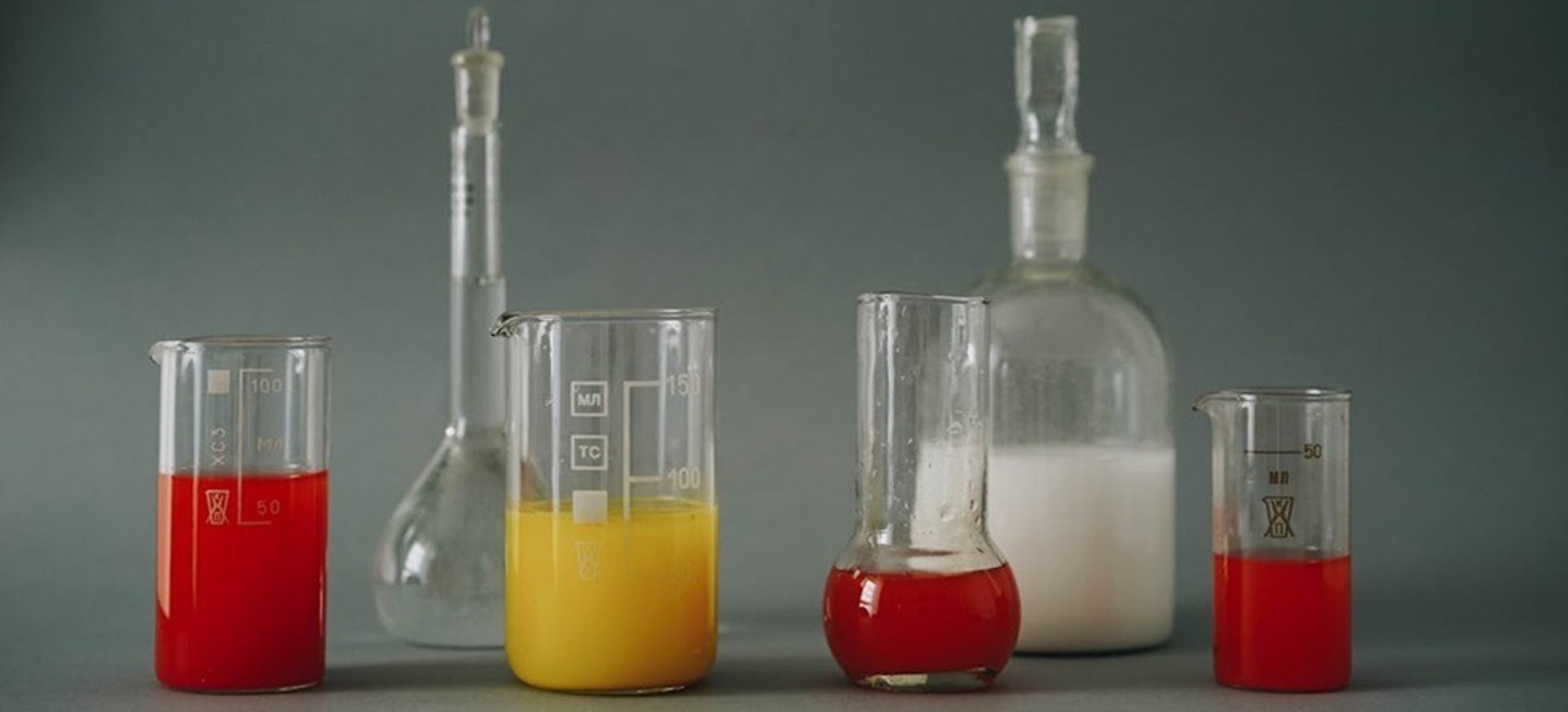
Laboratory Glassware's
We produce a wide range of products, including beakers, flasks, test tubes, pipettes, and various other essential items used in scientific research, industrial applications, and educational settings. Our products are known for their quality, accuracy, and durability, often made from borosilicate 3.3 glass, which is highly resistant to chemical reactions and thermal shock.
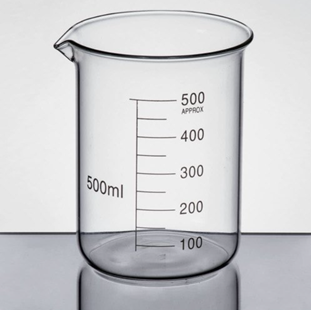
BEAKERS
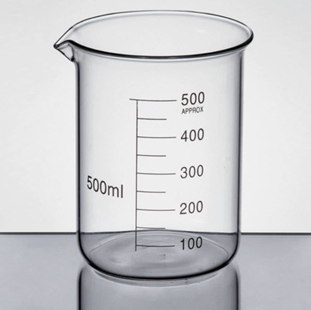
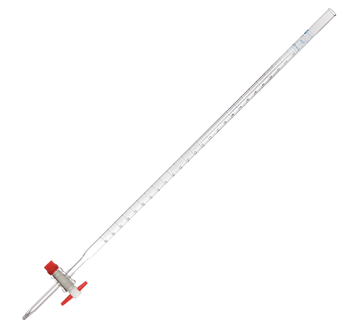
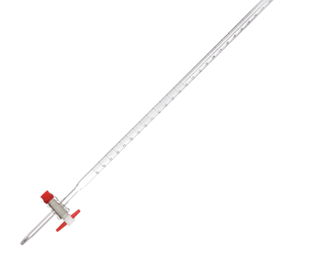
A burette is a crucial piece of laboratory glassware designed for the precise dispensing of liquids, particularly in titration experiments. It's a long, graduated glass tube equipped with a stopcock at its lower end, allowing for controlled release of measured volumes. This design enables chemists to accurately determine the amount of liquid dispensed, essential for achieving precise results in analytical procedures.
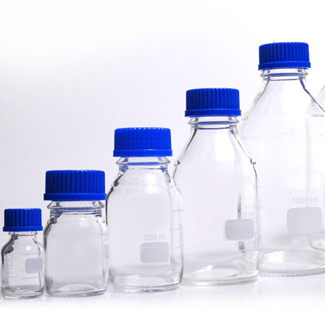
BOTTLES
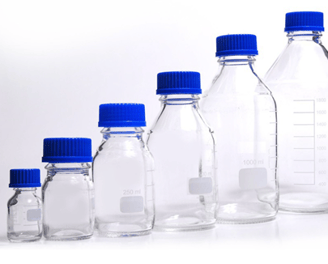
Laboratory bottles are essential containers designed for storing, mixing, and transporting liquids and solid chemicals. They come in various shapes (e.g., round, square, narrow-neck, wide-mouth) and sizes, catering to diverse laboratory needs. Screw caps or stoppers ensure secure closure, preventing spills and contamination.
Burettes are precision instruments used for dispensing precise volumes of liquids, primarily during titrations. These long, graduated glass tubes feature a stopcock at the bottom, enabling controlled liquid release. The graduations along the tube allow for accurate volume measurement, vital for analytical chemistry. Burettes are manufactured with tight tolerances to ensure accuracy, and are often made from borosilicate glass for its chemical resistance.
BURETTES
CONES
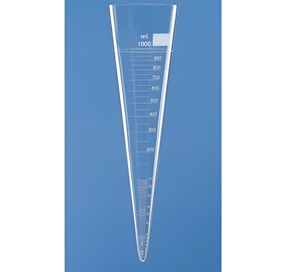
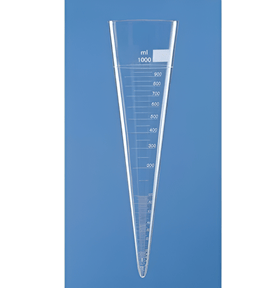
Cones" in a laboratory setting typically refers to conical flasks or, less frequently, filter cones. Conical flasks, also known as Erlenmeyer flasks, are widely used for mixing, heating, and holding liquids. Their tapered shape minimizes liquid loss during swirling and makes them ideal for titrations. Filter cones, often made of glass or plastic, are used in filtration setups, supporting filter paper to separate solids from liquids. Both types of "cones" play vital roles in various laboratory procedures.
CONDENSERS
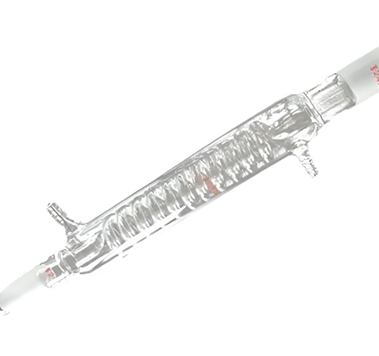
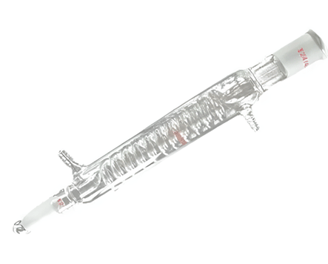
Laboratory condensers are essential pieces of glassware used for cooling hot vapors or liquids. They facilitate the condensation process, converting gases back into liquids, often in distillation or reflux setups. Typically, they consist of an inner tube through which the vapor passes, surrounded by an outer jacket through which cooling water circulates. This design efficiently removes heat, allowing for controlled condensation and collection of the desired liquid. Common types include Liebig, Graham, and All in condensers, each suited for specific applications.
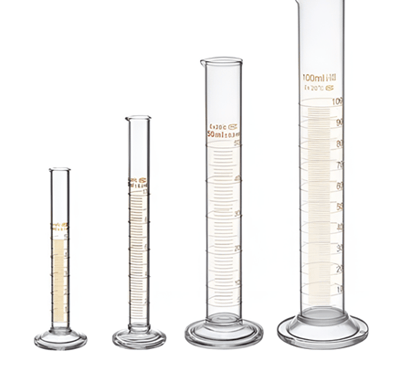
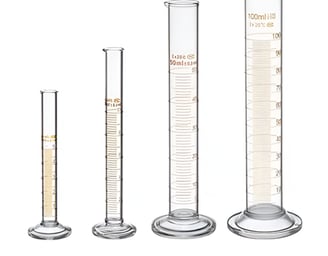
Graduated cylinders are used for measuring the volume of liquids. They are tall, cylindrical containers with markings along the side, indicating volume in milliliters (mL). While less precise than volumetric pipettes or burettes, they offer a convenient way to measure liquid volumes for many laboratory procedures. They are available in various sizes and are typically made of glass or plastic. Accuracy is dependent on reading the meniscus at eye level.
CYLINDERS
DESICCATORS


Desiccators are sealable enclosures used to remove moisture from substances or to protect moisture-sensitive materials. They typically contain a desiccant, such as silica gel or calcium chloride, which absorbs ambient humidity. This creates a dry environment, essential for storing hygroscopic chemicals, drying precipitates, or cooling samples without moisture contamination. Desiccators are vital in analytical chemistry and other applications where maintaining a dry atmosphere is crucial.


DISHES
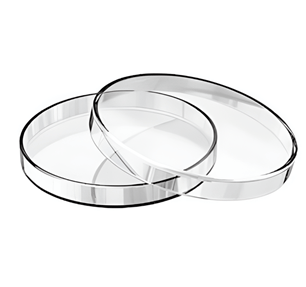
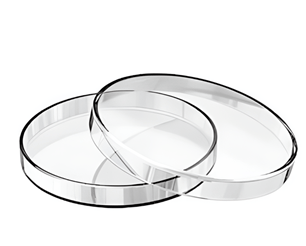
Laboratory dishes, encompassing Petri dishes and evaporating dishes, serve distinct purposes. Petri dishes, typically made of glass or plastic, are shallow cylindrical containers used for culturing microorganisms or cells. Evaporating dishes, often made of porcelain or glass, are wider and shallower, designed for evaporating liquids over a heat source. Both types provide open surfaces for controlled procedures. These dishes are essential for biological studies, chemical analyses, and various other laboratory applications.
A distilling apparatus is a set of interconnected glassware used to separate liquids based on their boiling points. It typically includes a heat source, a distillation flask, a condenser, and a collection vessel. The process involves heating a liquid mixture, vaporizing the component with the lower boiling point, and then condensing the vapor back into a liquid for collection. This setup is crucial for purifying liquids, separating mixtures, and performing various organic chemistry procedures. Different designs, such as simple distillation or fractional distillation, are used depending on the complexity of the separation.
DISTILLING APPARATUS
FLASKS
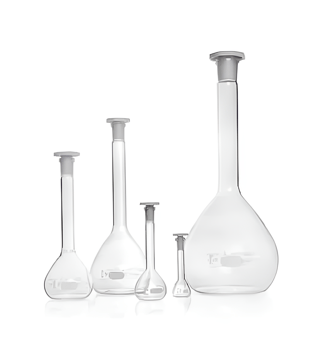
Laboratory flasks are versatile containers used for a variety of purposes, including mixing, heating, storing, and measuring liquids. They come in various shapes, such as Erlenmeyer, round-bottom, and volumetric flasks, each designed for specific applications. Erlenmeyer flasks are ideal for mixing and titrations, round-bottom flasks are used for heating and distillation, and volumetric flasks are used for precise volume measurements. Common materials include borosilicate glass, known for its chemical and thermal resistance. Flasks are essential tools in chemistry, biology, and other scientific disciplines.
FUNNELS
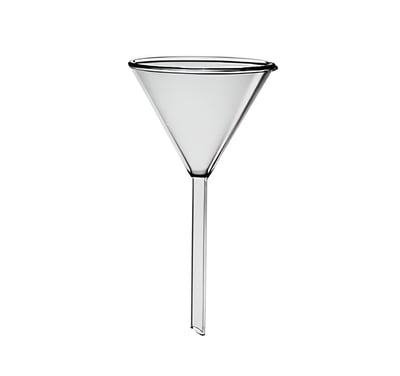
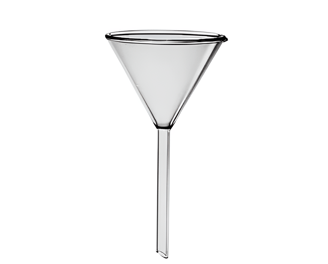
Laboratory funnels are essential tools used for transferring liquids or solids into containers with narrow openings, preventing spills and loss. 1 They come in various shapes and sizes, including conical funnels, filter funnels, and powder funnels, each designed for specific applications. Funnels streamline laboratory processes, ensuring efficient and safe transfer of substances.
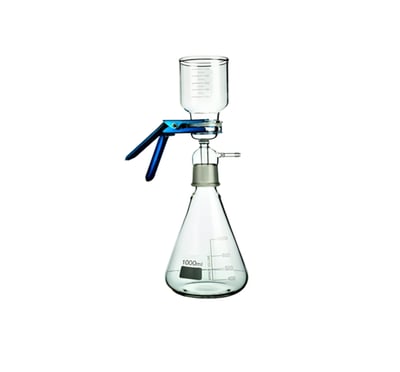
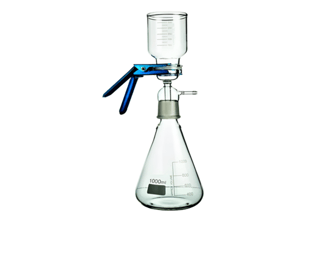
A filtration assembly is a setup of laboratory glassware designed to separate solids from liquids using a filter medium. It typically includes a filter funnel (like a Buchner or Hirsch funnel), a filter flask, and a vacuum source. The filter funnel holds the filter paper, while the flask collects the filtered liquid. Vacuum filtration accelerates the process, making it more efficient than gravity filtration. Common materials include borosilicate glass, known for its chemical resistance and durability. Filtration assemblies are essential for purifying samples, isolating precipitates, and removing impurities in various laboratory procedures.
FILTERATION ASSEMBLY
VOLUMETRIC FLASK
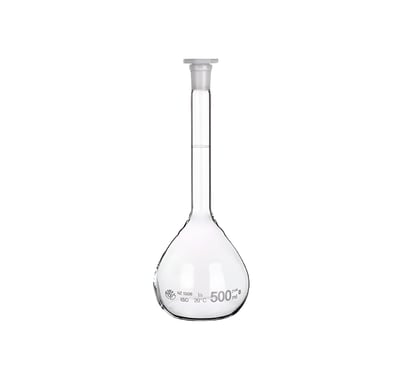
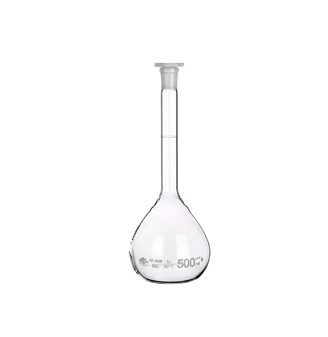
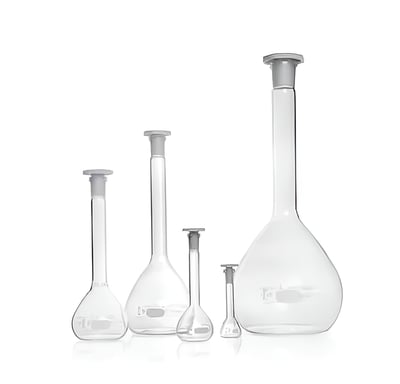
A volumetric flask is a specialized piece of laboratory glassware designed for preparing solutions of precise volumes. It features a long neck with a single, precisely calibrated mark, indicating a specific volume at a defined temperature. These flasks are used to accurately dilute solutions or prepare standard solutions for titrations and other analytical procedures. They are typically made of borosilicate glass to ensure chemical resistance and thermal stability, and are available in various sizes to accommodate different volume requirements.
MUSEUM JAR
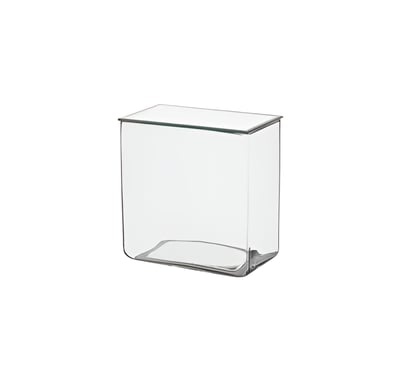
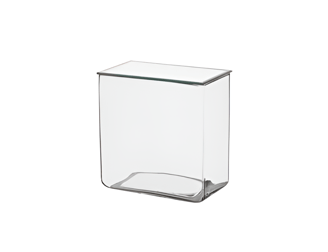
Museum jars are specialized containers primarily used for the preservation and display of biological specimens. These jars are crucial in museums, educational institutions, and medical facilities for storing and showcasing anatomical specimens, preserved organisms, or pathological samples. Typically made from clear glass they allow for unobstructed viewing of the contents. A key feature is their tight-sealing lids, which prevent evaporation of the preservative fluid, ensuring long-term preservation. Their design prioritizes both specimen integrity and clear visual presentation.
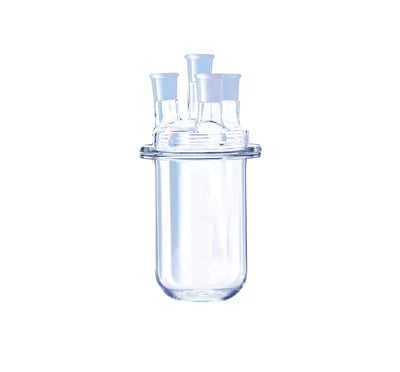
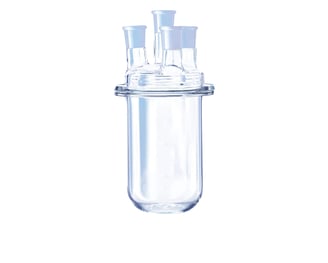
esin reaction kettles are specialized vessels used in chemical laboratories and industrial settings for synthesizing and processing resins. These kettles are designed to withstand the often harsh conditions of resin production, including high temperatures, corrosive chemicals, and varying pressures. The design often includes features like heating jackets, agitators, and ports for adding reactants and removing products, facilitating controlled reactions. These kettles are essential for producing polymers, adhesives, and other resin-based materials.
RESIN REACTION KETTLE
PIPPETTES
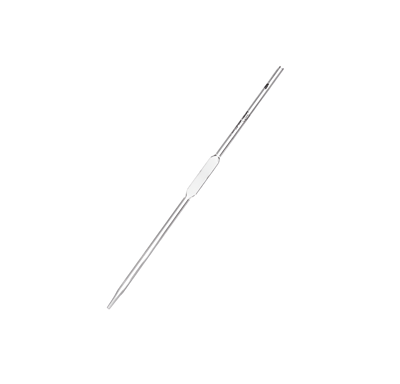
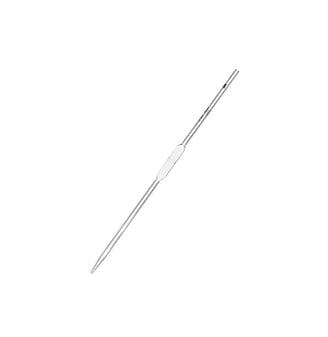
Pipettes are precision instruments used to measure and transfer precise volumes of liquids in laboratory settings. They come in two main types: volumetric pipettes, which deliver a single, fixed volume, and graduated pipettes, which allow for variable volume measurements. Both types ensure accuracy, crucial for tasks like titrations, dilutions, and sample preparation. Proper technique, including reading the meniscus and using a pipette bulb, is essential for accurate measurements.
TEST TUBE
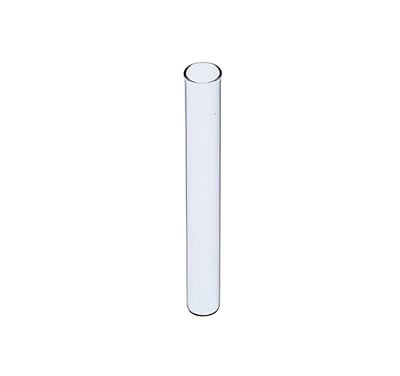
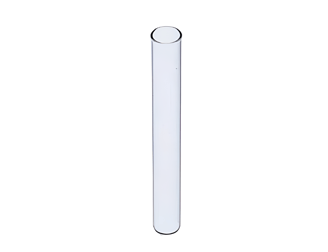
Test tubes are cylindrical glass or plastic tubes used for holding, mixing, or heating small amounts of liquid or solid chemicals during laboratory experiments. They are fundamental in various scientific disciplines, including chemistry, biology, and medicine. Their simple design allows for easy handling and observation of reactions. Test tubes are available in different sizes and materials, with some designed to withstand high temperatures or centrifugation. They are essential tools for qualitative analyses, culturing microorganisms, and many other laboratory procedures.
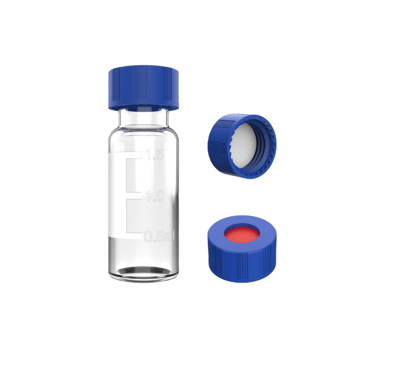
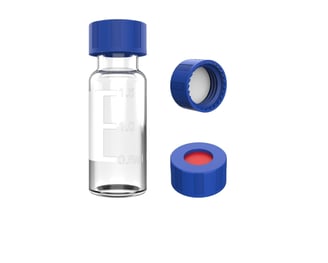
HPLC vials are small, specialized containers designed for holding samples used in High-Performance Liquid Chromatography (HPLC). These vials are crucial for ensuring sample integrity and compatibility with the sensitive HPLC instruments. They are typically made from high-quality glass to prevent leaching or contamination. Key features include precise dimensions, tight-sealing caps (often with septa), and compatibility with automated samplers. HPLC vials play a vital role in accurate and reliable chromatographic analyses.
HPLC VIALS
MICROSCOPE SLIDE
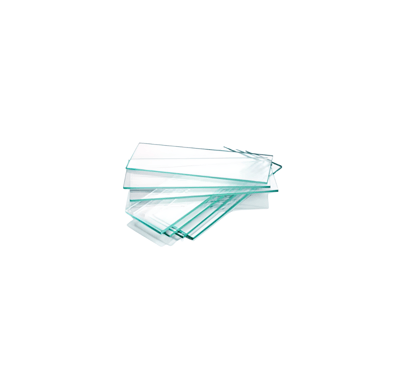

Microscope slides are thin, flat pieces of glass used to hold specimens for microscopic examination. They provide a stable and transparent surface for viewing samples, allowing light to pass through for clear imaging. Often used in conjunction with coverslips, they protect the specimen and create a uniform thickness for optimal focus. These slides are fundamental tools in biology, medicine, and materials science, enabling the detailed study of microscopic structures.
MICRO PIPPETTE TIPS
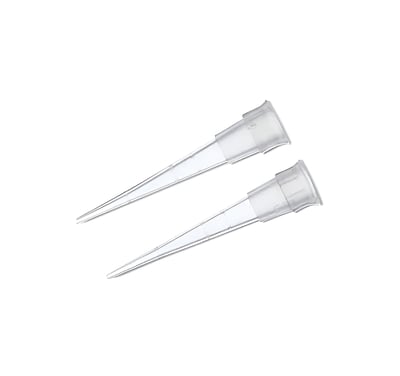
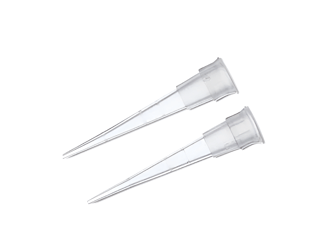
Micro pipette tips are disposable, precision-engineered plastic attachments designed for use with micropipettes. They are crucial for accurately transferring microliter volumes of liquids in molecular biology, biochemistry, and other sensitive applications. These tips ensure minimal sample carryover and prevent contamination, as they are typically single-use. They come in various sizes and designs, including filtered and non-filtered options, to accommodate different volumes and applications. Proper tip selection and handling are essential for achieving accurate and reliable results in micro-volume liquid handling.
Quality meets Expectations
Reliable glassware's manufacturer for all your lab needs.
Contact
© 2025. All rights reserved. Website Designed and Developed by SCARDO GROUPS
+91 8050311353
askblosil@gmail.com
ADDRESS
Bengaluru - 560001